
Vehicle Testing Services
Vehicle Testing Services: Performance, Safety & EV Testing Solutions
NP Electronics provides reliable Vehicle Testing Services designed to meet the requirements of modern automotive industries, including performance testing, safety validation, EV testing, and research applications. Our advanced solutions support Automotive Validation Testing and Vehicle Performance Testing by delivering accurate results and high-quality data for vehicle development, compliance, and R&D requirements. From vehicle performance evaluation to safety and EV testing, our flexible rental and project-based services help businesses achieve reliable testing outcomes while maintaining performance standards. With experienced professionals and dedicated drivers, we deliver consistent and dependable testing outcomes. We are committed to providing results-driven solutions that enhance productivity and project success.
Voor veel spelers is lucky twice casino inmiddels een vaste waarde geworden in hun persoonlijke casino-routine. Persoonlijke spelersgegevens worden uitsluitend versleuteld opgeslagen. De minimale storting begint vaak al bij 10 euro, zodat ook gelegenheidsspelers eenvoudig kunnen instappen. De mobiele kassa is even overzichtelijk als de desktopversie. Game-show-geïnspireerde live formats zoals Crazy Time of Monopoly Live ronden het live aanbod af. Seizoensgebonden evenementen, van zomerfestival tot winteruitdaging, brengen afwisseling. Slot-toernooien wisselen meermaals per week en bieden verschillende buy-in niveaus. Side-bets verruimen de strategische mogelijkheden aan klassieke tafels. Spelers kunnen feedback direct naar het supportteam sturen en zo bijdragen aan de doorontwikkeling. Het registratieproces omvat slechts enkele noodzakelijke stappen en is binnen minuten klaar. De positieve respons vanuit de community bevestigt het beeld van een rondom geslaagd platform.
Vehicle Testing Services We Provide
Our Vehicle Testing Services include advanced testing methods for performance evaluation, safety validation, and automotive research. We provide Automotive Validation Testing solutions and Vehicle Performance Testing services to help manufacturers improve reliability, efficiency, and compliance.
- Acceleration Test
- Speed Limiting
- Emergency Braking System
- Gradient Test
- Brake Static Test
- Slalom Handling
- Skidpad Test
- Lane Change Test
- Acceleration Test
- Speed Limiting
- Emergency Braking System
- Gradient Test
- Brake Static Test
- Slalom Handling
- Skidpad Test
- Lane Change Test
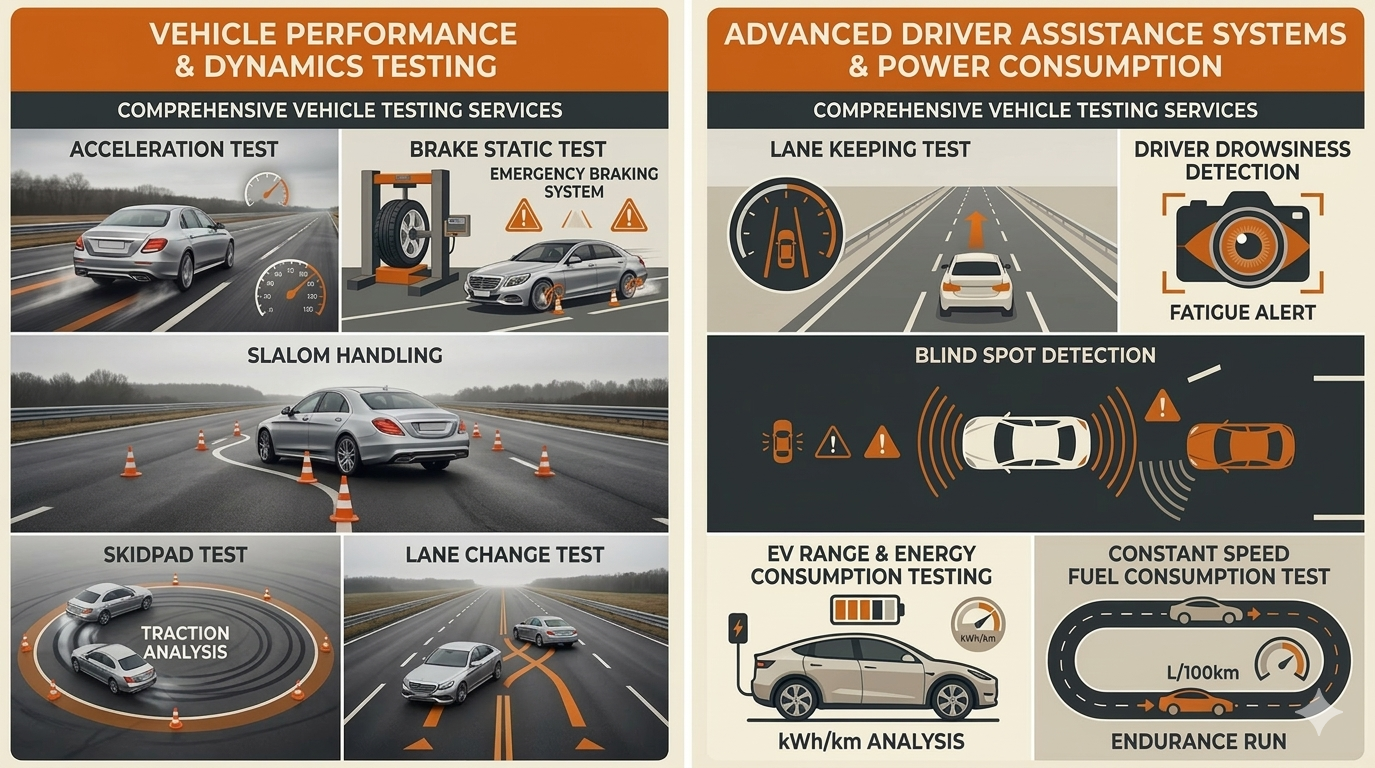
Acceleration Testing Services
Vehicle Performance Testing includes Acceleration Testing Services that measure how quickly a vehicle can increase speed under controlled conditions. a vehicle can increase speed under controlled conditions. It plays a crucial role in evaluating engine power, responsiveness, and overall vehicle performance. This test is commonly used by manufacturers to validate performance standards and optimize vehicle efficiency. By analyzing acceleration data, engineers can improve engine tuning and driving experience. It also helps in comparing different vehicle models. Overall, it ensures better performance and reliability on the road.
Speed Limiting Function Testing

The Speed Limiting Function Testing is designed to enhance vehicle safety by automatically controlling speed and applying brakes during critical situations. This system helps prevent accidents by maintaining safe speed limits and reacting faster than human drivers. It is widely used in modern vehicles as part of advanced driver assistance systems (ADAS). The technology reduces collision risks and improves overall road safety. It also ensures compliance with safety regulations. This makes it an essential feature for modern automotive systems.
Gradient Testing Services

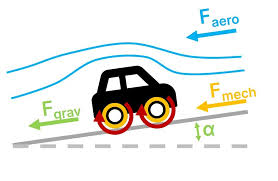
The Gradient Testing Services evaluates a vehicle’s performance on inclined surfaces, such as hills or slopes. It helps determine engine power, braking efficiency, and load-handling capability. This test is important for vehicles operating in hilly or uneven terrains. Engineers use this data to ensure the vehicle can start, stop, and maintain control on slopes. It also checks the reliability of braking systems under pressure. Overall, it ensures safety and performance in real-world driving conditions.
Brake Static Testing
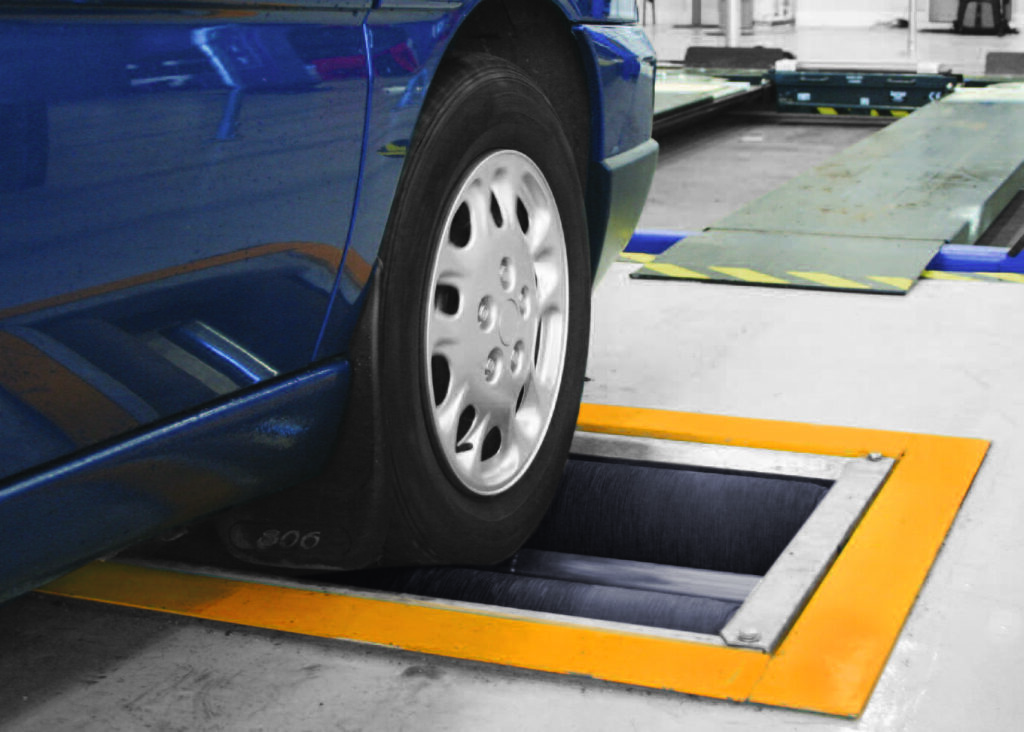
As part of our Automotive Validation Testing, the Brake Static Test checks the effectiveness of a vehicle’s braking system when stationary. It ensures that the brakes can hold the vehicle securely, especially on slopes or uneven surfaces. This test is essential for safety compliance, vehicle stability, and reliable performance validation. Manufacturers rely on this testing process to improve braking reliability and enhance overall vehicle safety. It ensures that the brakes can hold the vehicle securely, especially on slopes or uneven surfaces. This test is essential for safety compliance and vehicle stability. It helps identify any issues in the braking mechanism before the vehicle is used on the road. Manufacturers rely on this test to ensure reliability. It ultimately enhances driver confidence and safety.
Slalom Handling Testing
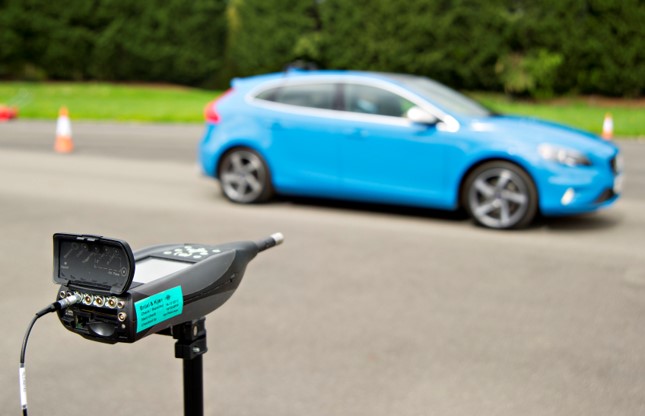
Slalom Handling Testing evaluates a vehicle’s ability to maneuver through a series of obstacles in quick succession. This test focuses on steering response, suspension performance, and overall vehicle stability. It is commonly used to simulate real-world driving conditions where quick directional changes are required. Engineers analyze the results to improve handling and control. It also helps in enhancing driver safety during sudden maneuvers. This test is crucial for performance-oriented vehicles.
Skidpad Testing
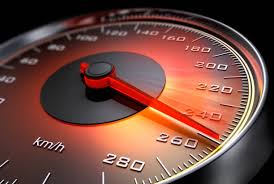
The skidpad test measures a vehicle’s grip and stability while driving in a circular path. It is used to evaluate tire performance, cornering ability, and lateral acceleration. This test helps engineers understand how well a vehicle maintains traction under stress. It is essential for improving handling and safety features. The results also help in optimizing suspension systems. Overall, it ensures better road grip and driving stability.
Lane Change Testing
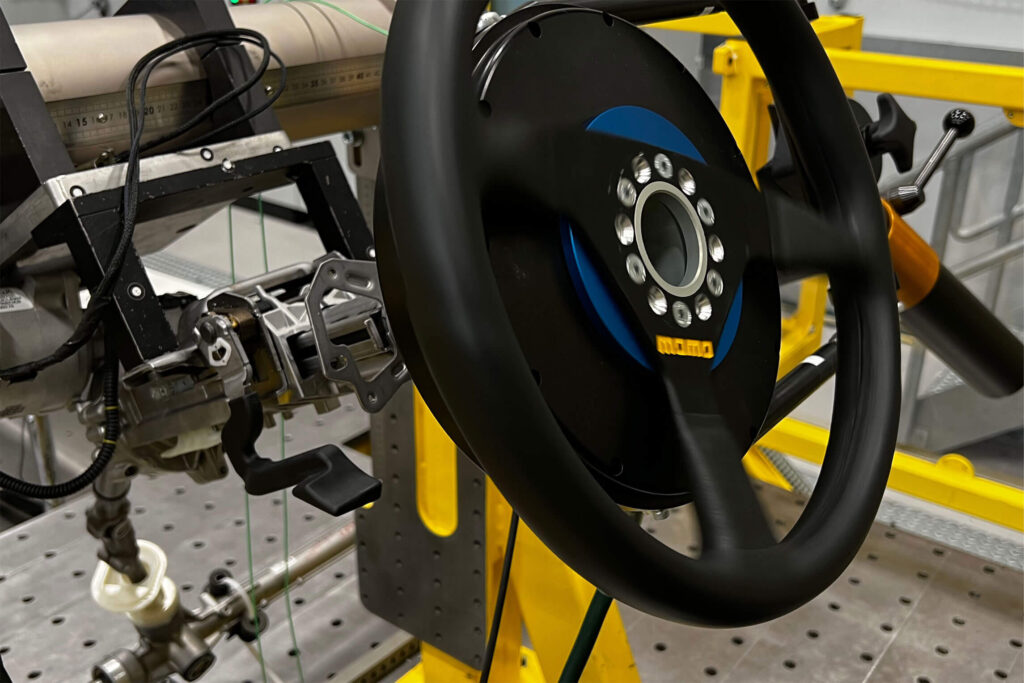
The Lane Change Testing evaluates how effectively a vehicle can switch lanes at different speeds. It is important for assessing stability, steering control, and safety during sudden movements. This test simulates real-world driving scenarios such as avoiding obstacles. Engineers use the results to improve vehicle handling and safety systems. It also helps in evaluating advanced driver assistance features. This ensures safer driving experiences on highways.
Lane Keeping Testing
As part of Vehicle Performance Testing, the Lane Keeping Test checks how well a vehicle can maintain its position within a lane. It is especially important for vehicles equipped with ADAS technologies. The test evaluates sensors, cameras, and control systems used for lane detection. It helps improve automated steering corrections and driver assistance features. This enhances safety during long drives. Overall, it ensures better lane discipline and reduces accident risks.
Driver Drowsiness Detection Testing
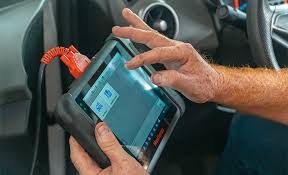
Driver Drowsiness Detection Testing systems monitor driver behavior to identify signs of fatigue. These systems use sensors, cameras, and AI to analyze eye movement and driving patterns. When drowsiness is detected, alerts are sent to the driver. This helps prevent accidents caused by lack of attention. It is an important safety feature in modern vehicles. Overall, it improves road safety and reduces fatigue-related risks.
Blind Spot Detection Testing
The Blind Spot Detection Testing system alerts drivers about vehicles in areas not visible through mirrors. It uses sensors to detect nearby vehicles and provides warnings during lane changes. This helps reduce the risk of collisions. It is especially useful in heavy traffic conditions. The system improves driver awareness and confidence. Overall, it enhances vehicle safety and driving convenience.
Constant Speed Fuel Consumption Testing
The Constant Speed Fuel Consumption Testing measures how efficiently a vehicle uses fuel at a fixed speed. It helps evaluate engine performance and fuel economy under stable conditions. This test is important for improving mileage and reducing fuel costs. Engineers use the data to optimize engine efficiency. It also helps in meeting environmental standards. Overall, it ensures better fuel efficiency and sustainability.
Electric Vehicle (EV) Range Testing
NP Electronics provides EV Vehicle Testing Services including range testing to evaluate battery performance and driving efficiency. It is a key factor for evaluating battery performance and efficiency. This test helps manufacturers improve battery technology and optimize energy usage. It also provides important information to customers about real-world driving range. The results vary based on driving conditions and usage. Overall, it ensures reliability and performance of electric vehicles.
EV Energy Consumption Testing
EV energy consumption testing measures how efficiently an electric vehicle uses energy during operation. It evaluates battery performance under different driving conditions. This test helps improve energy management systems and extend battery life. It is essential for reducing energy consumption and improving efficiency. Engineers use this data for innovation and optimization. Overall, it supports sustainable and efficient electric mobility.
Constant Speed Vehicle Testing
The constant speed testing evaluates a vehicle’s performance when driven at a steady speed. It helps analyze stability, fuel efficiency, and engine behavior over long distances. This test is important for highway driving conditions. It also helps in identifying performance issues at consistent speeds. Engineers use the results to improve vehicle reliability. Overall, it ensures smooth and efficient driving performance.
Vehicle Endurance Testing
An Vehicle Endurance Testing durability over long distances and extended usage. It evaluates how different components perform under continuous stress. This test helps identify potential failures and improve reliability. Manufacturers use endurance runs to ensure long-term performance. It is crucial for quality assurance and safety. Overall, it ensures the vehicle can withstand real-world conditions over time.
Vehicle testing services involve evaluating vehicle performance, safety, reliability, and efficiency through various tests such as acceleration testing, braking testing, handling testing, EV testing, and endurance testing.
NP Electronics provides vehicle testing services including acceleration testing, speed limiting function testing, emergency braking system testing, gradient testing, brake static testing, slalom handling testing, skidpad testing, lane change testing, EV testing, and endurance testing.
Vehicle performance testing helps manufacturers analyze speed, stability, handling, braking performance, and overall vehicle efficiency to improve safety, reliability, and compliance.
Yes, NP Electronics provides EV testing services including EV range testing and energy consumption testing to evaluate electric vehicle battery performance, efficiency, and driving capability.
Vehicle safety testing includes emergency braking system testing, brake static testing, lane change testing, lane keeping testing, blind spot detection testing, and driver drowsiness detection testing.
Yes, NP Electronics provides automotive R&D and vehicle validation testing solutions using advanced testing equipment to evaluate vehicle performance, durability, and safety standards.
Automotive Validation Testing is the process of evaluating vehicle systems, performance, safety, and reliability to ensure compliance with industry standards.
Vehicle Performance Testing helps manufacturers evaluate acceleration, handling, braking, efficiency, and overall vehicle reliability.
Request a Call Back
We are here to provide best Vehicle Testing Services.