Understanding the Future of EV Homologation in India
The car world is changing fast as India gets ready for the Future of EV Homologation in India (2026). Rules are being made to keep electric cars safe and working well for a long time.
These new rules are not just about following rules. They are a big step towards making cars better worldwide. The government wants to make sure cars are safe and to help Indian car makers grow stronger.
Car makers now need to focus on making batteries safer and cars last longer. Knowing about these new rules is key for anyone wanting to do well in this fast-changing market.
Key Takeaways
- New rules are coming to make electric cars safer for everyone.
- The government wants to make sure electric cars are good for the long run.
- Car makers need to meet higher standards to stay ahead.
- These changes will make buying cars in India more reliable and trustworthy.
- Planning ahead for these changes is crucial for success in the future.
The Evolving Regulatory Landscape for Electric Vehicles
Understanding electric vehicle regulations in India is complex. The government is making changes to support sustainable mobility. These updates aim to ensure safety and reliability for consumers.
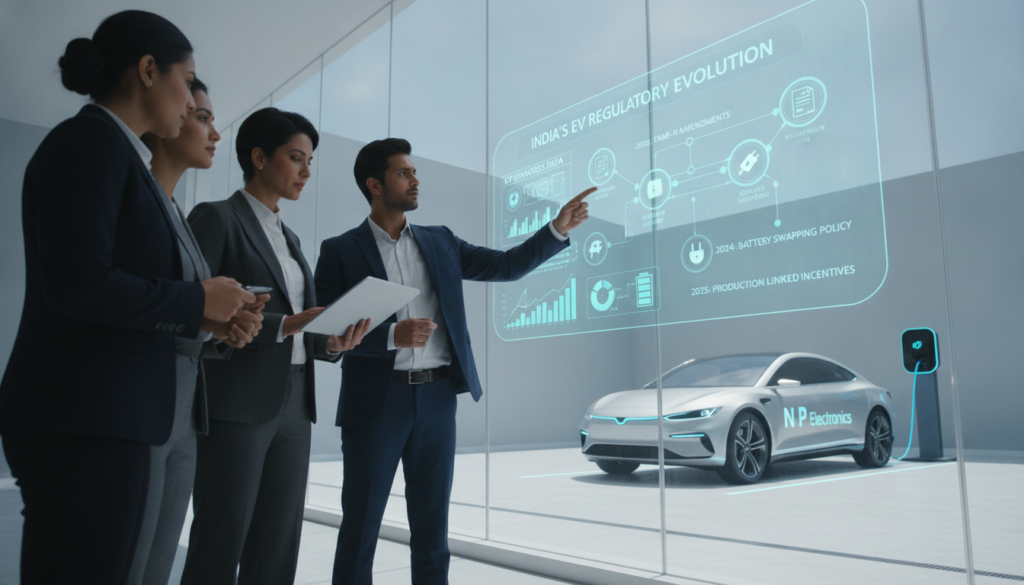
Transitioning from AIS 038 to Advanced Safety Protocols
The auto industry used AIS 038 for safety. But, new battery tech needs better standards. Now, there are rigorous, future-proof protocols for high-performance electric vehicles.
The Role of the Ministry of Road Transport and Highways
The Ministry of Road Transport and Highways (MoRTH) leads in making safety policies. They focus on protecting passengers. This strategic oversight helps keep the public trust in electric vehicles.
Strategic Shifts in Battery Safety Standards
Battery safety is key in new rules, like stopping fires. Now, makers must use advanced systems for big battery packs. These steps are crucial for safe and durable vehicles in India.
| Safety Metric | Legacy AIS 038 | Advanced Protocols |
|---|---|---|
| Thermal Management | Basic Monitoring | Active Cooling & BMS |
| Cell Integrity | Standard Testing | Multi-Level Stress Tests |
| Data Logging | Limited | Real-time Telemetry |
| Compliance Focus | General Safety | Risk Mitigation |
These electric vehicle regulations in India are a big step for cars. They make India a leader in electric cars worldwide.
Key Components of the Future of EV Homologation in India (2026)
The journey to the Future of EV Homologation in India (2026) is filled with important steps. The car industry is moving towards electric cars, and makers must follow strict rules. These rules help make the switch to electric cars safe and smooth across the country.
Standardization of Charging Infrastructure Protocols
Having one set of rules for charging is key for seamless interoperability in different charging systems. By 2026, all charging spots will have to follow the same rules. This means any electric car can use any charger without problems.
Standardization makes things easier for car makers and better for users. It helps the energy grid work better and lets charging spots grow fast in cities and towns. This is a big part of the Future of EV Homologation in India (2026).
Integration of Software-Defined Vehicle Certification
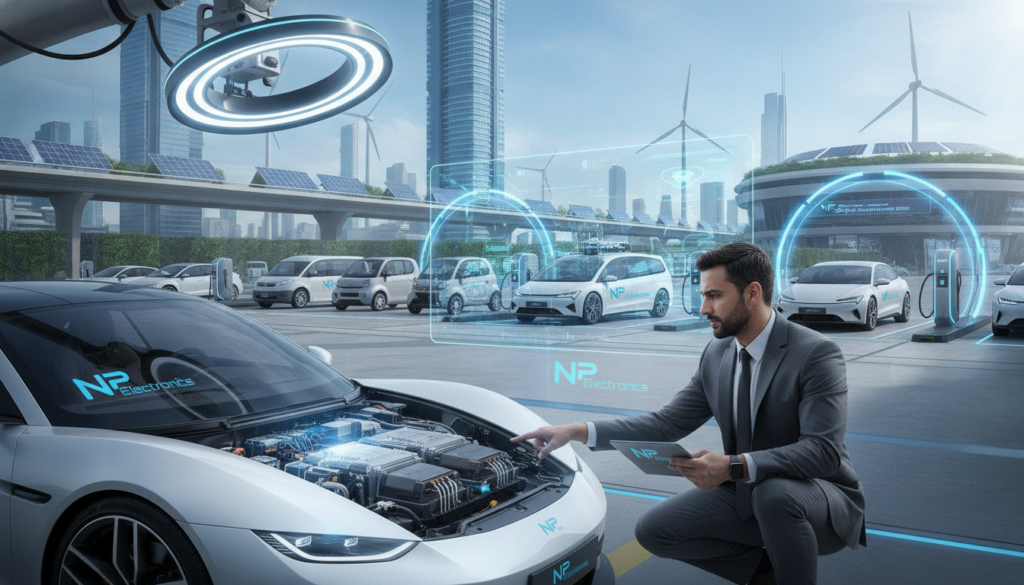
Today’s electric cars use complex software for things like battery control and safety. The new rules will focus on cybersecurity and over-the-air (OTA) updates to keep cars safe. Car makers will have to show their software meets high safety standards to get approval.
This change in certification makes sure cars stay safe and up-to-date. By following these steps, the industry can handle the Future of EV Homologation in India (2026) better. Everyone should keep an eye on the rules to make sure updates meet the latest government standards.
Streamlining the Certification Process for Manufacturers
Streamlining the path to market is key for the EV industry. The government is removing barriers to innovation. This makes the ev certification process a growth driver, not a barrier for car makers.
Digital Transformation of Testing Facilities
Digital changes are transforming testing centers. Cloud-based platforms let manufacturers send data instantly. This seamless integration creates quick feedback loops.
Automated data logging cuts down on errors. This means more vehicles can be tested at once. It’s crucial for keeping up with tech and safety standards.
Reducing Lead Times for Type Approval
Time-to-market is crucial in the Indian car market. New policies aim to cut down on delays. This makes it faster to get new electric vehicles to customers.
Manufacturers get predictable timelines. This helps with planning and supply chain management. A quicker ev certification process lets companies introduce new tech without waiting.
Self-Certification Frameworks for Component Suppliers
Self-certification frameworks are a big step forward. Suppliers check if parts meet safety standards. This decentralized approach eases the load on testing agencies.
This system promotes accountability and quality. It’s great for non-critical parts, letting agencies focus on complex systems. It makes the ev certification process more efficient in India.
Impact of Global Harmonization on Indian Standards
Global harmonization is key for India to become a big player in electric vehicle making. By matching local rules with global ones, India is opening doors for local makers. This change makes homologation standards for electric vehicles more than just local rules. They are a way to enter the global market.
Aligning with UN Regulations for Global Export Readiness
Indian car makers are adopting UN regulations to grow globally. Meeting these standards makes their cars trusted worldwide. This strategic alignment cuts down on the need for extra tests in new markets.
Now, makers can use one set of rules for exports. This makes their cars top-notch. It’s key for India to be seen as a solid partner in the car world.
Adapting International Battery Management System Requirements
Safety is crucial in electric cars, and energy storage is a big part of it. Meeting global Battery Management System (BMS) standards ensures Indian EVs are safe worldwide. These standards cover thermal management, cell balancing, and fault detection to avoid major issues.
By using these strict BMS rules, India is building greater consumer trust in electric cars. Companies that start using these systems early will find it easier to keep up with changing standards. This focus on safety boosts India’s car industry.
Addressing Critical Industry Challenges and Compliance Hurdles
Manufacturers face big challenges in keeping up with electric vehicle regulations in India. Both big companies and new startups need to be precise, open, and technically skilled. Meeting these needs is key to staying competitive.
Managing Supply Chain Traceability for Homologation
Traceability is crucial for getting certified. Every part, from batteries to electronics, must be tracked to show it meets quality standards. Rigorous oversight makes sure the product is safe.
Companies with good tracking systems have an edge. They can show they follow electric vehicle rules in India easily. This is important for getting approval.
Overcoming Technical Barriers for Startups and OEMs
Startups face high costs for testing gear and labs. Big companies can afford these, but small ones need strategic partnerships with testing agencies. They focus on designs that can grow.
Going from prototypes to mass production can be tough. Standardizing tests helps avoid delays. Focusing on localized R&D helps adapt to different places in India.
Ensuring Cybersecurity Compliance in Connected Electric Vehicles
Connected cars face more digital threats. Keeping user data and car systems safe is now a must. Manufacturers use advanced encryption and secure ways to talk to prevent hacking.
Cybersecurity is now a must, not just a choice. A proactive security framework keeps cars safe from new threats. This builds trust with customers and regulators.
Economic Implications for the Indian Automotive Sector
The move to strict homologation standards for electric vehicles has big economic effects on India’s car industry. It needs a lot of money at first, but it’s key for a green and competitive market. This focus on safety and quality helps the industry succeed globally.
Cost-Benefit Analysis of Stricter Homologation Norms
Introducing stricter homologation standards for electric vehicles is a big financial choice for car makers. They must spend a lot on new testing tools and skilled people. But, they save money on recalls and gain a better reputation over time.
Following strict rules helps companies make cars faster and cheaper. They can spot and fix problems early, saving a lot of money. This makes the whole supply chain more efficient.
Incentivizing Localized R&D and Testing Capabilities
The Indian government is helping the local car industry with money and support. They want companies to have world-class testing facilities in India, not abroad. This makes things faster and keeps important skills at home.
Support for local R&D helps both new and big companies to innovate quickly. Working together with schools and companies, India is getting ready for the future of cars. Investing in local testing keeps the industry quick to adapt to new trends.
Long-term Market Stability and Consumer Trust
Clear rules are key for a stable car market. When people trust that cars are safe, they buy more electric ones. Trust is very important for switching to green cars.
Good standards keep the market clean of bad cars. This means only safe and reliable cars are sold. It makes India a reliable place for making electric cars and technology for people.
Conclusion
The year 2026 is a big change for cars in India. Companies need to be quick to keep up with new rules to stay ahead. They must learn the new EV certification process to keep customers trusting in new tech.
Everyone involved must focus on new ideas to meet these tough standards. By doing this, they build a strong base for the future. Here are some common questions to help understand what’s next.
Q: What is the primary goal of the 2026 EV homologation updates?
A: The main goal of the 2026 EV homologation updates is to make electric vehicles safer, more reliable, and better performing. The Ministry of Road Transport and Highways (MoRTH) wants to reduce risks like thermal runaway. They aim to build a strong, trustworthy EV market in India. Manufacturers in Pune must stay updated with these evolving regulations to ensure compliance.
Q: How does the new certification process affect small-scale EV startups?
A: The new EV certification process is stricter but also offers self-certification for some parts. This helps startups like Ather Energy or River work faster. Yet, they must spend more on cybersecurity and local R&D to meet tough standards from ARAI and ICAT. EV startups in Pune can benefit from expert homologation guidance to simplify the certification process.
Q: Are battery safety standards becoming more stringent for all vehicle categories?
A: Yes. New safety rules for electric vehicles in India are more advanced. They cover the Indian climate’s unique challenges. Now, all vehicles must have better Battery Management Systems (BMS) and pass strict tests to avoid fires.
Q: Why is global harmonization important for Indian EV manufacturers?
A: Following UN regulations and global standards is key for exporting. It lets manufacturers like Mahindra Electric easily sell in other countries. This makes India a top place for making quality electric vehicles for the world.
Q: How can manufacturers reduce their lead times for type approval?
A: To get products to market faster, manufacturers can use digital testing facilities. They can submit data online and use self-certification for parts. Planning tests during the best times at testing centers also helps.
Q: What role does cybersecurity play in the new homologation framework?
A: Cybersecurity is now a major part of EV certification. The 2026 rules focus on keeping connected vehicles safe from digital threats. Protecting data and ensuring OTA updates are secure are now musts for homologation in India.
 Previous Post